
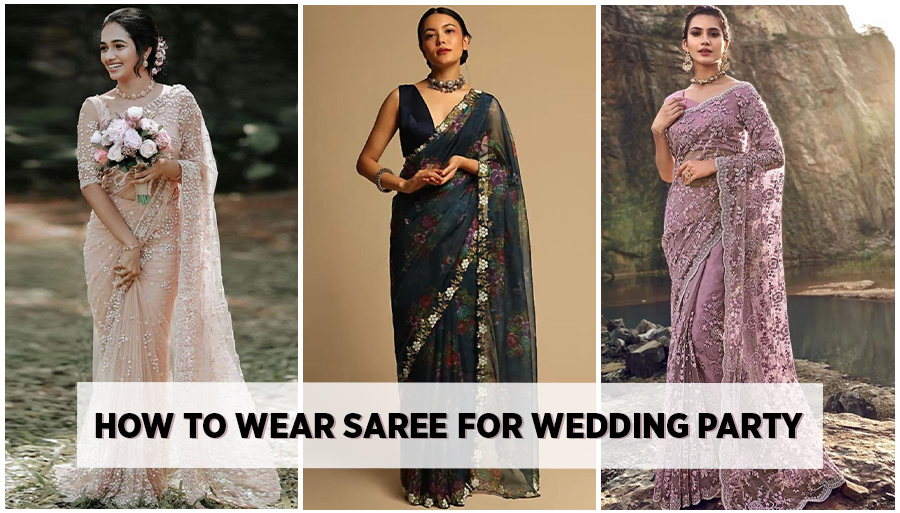
An Indian wedding is not one event — it is a series of distinct functions spread across several days, each with its own mood, dress code and level of formality. The saree you wear to a haldi ceremony should look and feel completely different from what you choose for a cocktail reception or a sangeet night. Choosing the right saree style, fabric and draping method for each specific wedding function ensures you look appropriate, comfortable and camera-ready throughout the celebrations.
This guide breaks down every major wedding function and recommends the ideal saree type, fabric, draping style and styling approach for each — from the relaxed daytime haldi to the glamorous evening reception. Whether you are the bride, a bridesmaid, a close family member or a wedding guest, use this as your function-by-function saree planning reference for the 2026 wedding season.
Which Saree Style Works Best for Each Wedding Function?
Every wedding function has a different energy. Daytime functions like haldi and mehndi call for lightweight, comfortable sarees in bright colors. Evening functions like sangeet and cocktail demand shimmer, structure and modern draping. The main wedding ceremony requires traditional grandeur, while the reception blends formality with fashion-forward styling. Matching your saree to the function is the single most important styling decision you will make as a wedding attendee.
What to Wear to a Wedding Engagement or Roka Ceremony?
The engagement or roka is typically a semi-formal daytime or early evening event. The mood is celebratory but not as opulent as the main wedding. Sarees for engagement functions should feel elegant and polished without being bridal-level heavy.
Best saree types: Georgette sarees with subtle embroidery, organza sarees with floral prints, and soft silk sarees in pastel or jewel tones. Avoid heavy bridal silks or all-over sequin sarees — these are too much for an engagement setting.
Best draping style: The classic Nivi drape with neatly pleated pallu is the safest and most elegant choice for engagements. It is universally flattering, photographs well and suits the semi-formal tone of the event.
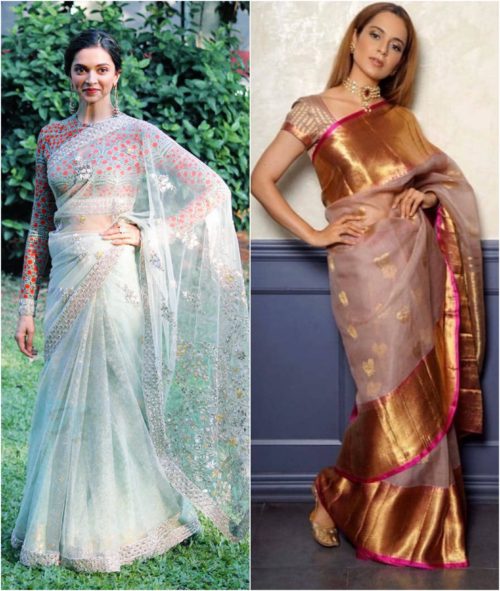
Styling tips: Pair with a designer blouse in a complementary tone, statement earrings and minimal other jewelry. A clutch or potli bag completes the look. For brides at their own engagement, a silk saree with medium-weight embroidery strikes the right balance between bridal and approachable.
How Should You Style a Saree for Mehndi Function?
The mehndi ceremony is a daytime or early evening event filled with colour, music and henna application. Since the bride and guests will have mehndi applied on their hands, the saree needs to be easy to manage with limited hand movement. Bright, cheerful colors in lightweight fabrics define the mehndi saree look.
Best saree types: Printed sarees in floral or geometric patterns, bandhani sarees, lightweight georgette sarees in green, yellow, orange or pink, and cotton silk sarees for daytime comfort. The mehndi is one of the few wedding functions where printed and colorful sarees are more appropriate than heavily embellished ones.
Best draping style: An open pallu Nivi drape keeps the pallu manageable during henna application. A belted saree drape is even better — the belt secures the saree at the waist so you do not need to adjust it while your mehndi dries. For a modern touch, a dhoti-style drape paired with a crop-top blouse creates a playful, dance-ready look perfect for the mehndi’s energetic atmosphere.
Styling tips: Floral jewelry, glass bangles and juttis are classic mehndi accessories. Keep the look fresh and fun rather than heavy and formal. For detailed mehndi saree draping ideas, read our guide on saree draping styles for mehndi and sangeet. Shop mehndi-ready outfits in the mehndi outfits collection for women.
What Saree Style Suits a Haldi Ceremony?
The haldi is an outdoor, daytime ritual involving turmeric paste application — which means your saree will likely get stained. The ideal haldi saree is lightweight, affordable and in a shade of yellow or a colour you do not mind getting paste marks on.
Best saree types: Yellow or mustard georgette sarees, cotton silk sarees in sunshine yellow, organza sarees with minimal border work, and ready-to-wear pre-draped sarees that stay secure during the active ceremony. Avoid expensive silk or heavily embellished sarees — turmeric stains are permanent on most fabrics.
Best draping style: A simple Nivi drape or a pre-draped ready-to-wear saree works best for haldi. The ceremony involves sitting, dancing and having paste applied to you — the simpler the drape, the more practical. A belted drape also helps keep the saree locked in place during the messy festivities.
Styling tips: Floral jewelry made from fresh marigold or jasmine is the signature haldi accessory. Keep makeup minimal and waterproof. For a complete haldi styling breakdown, read our haldi outfits guide for brides, bridesmaids and guests. Browse the haldi outfit collection for women for ready-to-shop options.
How to Wear a Saree for Sangeet Night?
The sangeet is the most high-energy wedding function — it involves choreographed performances, dancing, music and a party-like atmosphere, usually in the evening. The saree for sangeet needs to be glamorous enough for photographs and performances but secure enough to survive hours of dancing without coming undone.
Best saree types: Sequin sarees that catch stage and party lighting, georgette sarees with shimmer borders, net sarees with scattered mirror or bead work, and satin sarees in jewel tones like emerald, wine, electric blue and champagne. The sangeet is the one wedding function where maximum glamour is expected and encouraged.
Best draping style: A dhoti-style drape or pant-style drape offers the most freedom for dancing — both eliminate the risk of tripping on loose fabric. A belted drape with a statement kamarband keeps the saree locked during movement. For performers, a ready-to-wear pre-stitched saree is the most practical choice — pre-constructed pleats and an attached pallu will not shift during choreography.
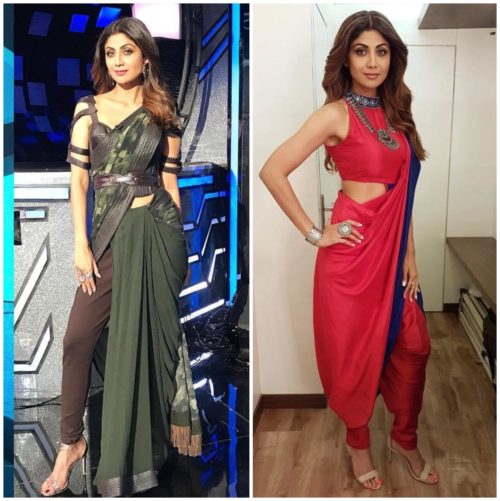
Styling tips: Bold makeup with smoky eyes, statement earrings and strappy heels complete the sangeet look. Skip heavy necklaces if you are performing — they bounce and distract during dance movements. Learn the dhoti-style saree drape for maximum movement and style.
What to Wear as a Saree to the Main Wedding Ceremony?
The main wedding ceremony — whether it is a phera, nikah, or church wedding — is the most formal function and demands the grandest saree. Traditional fabrics, classic draping and heritage jewelry define this occasion. This is where heavy silk, rich embroidery and regional draping styles take centre stage.
Best saree types: Heavy silk sarees — Banarasi, Kanjeevaram, Patola, Paithani — are the most appropriate for the main ceremony. Wedding sarees with zari work, zardozi embroidery, stone work and rich borders make the wearer look appropriately regal for the occasion. For the bride herself, deep reds, maroons and golds remain the most traditional choices, while wedding guests can opt for any jewel tone or metallic hue.
Best draping style: The traditional Nivi drape with a fully pleated, pinned pallu is the standard for wedding ceremonies. For regional weddings, the appropriate cultural drape — Bengali double-wrap for Bengali weddings, Gujarati seedha pallu for Gujarati weddings, Maharashtrian Nauvari for Marathi weddings — adds authenticity and respect for the tradition. For the complete regional draping methods, read our saree draping styles guide with step-by-step tutorials.
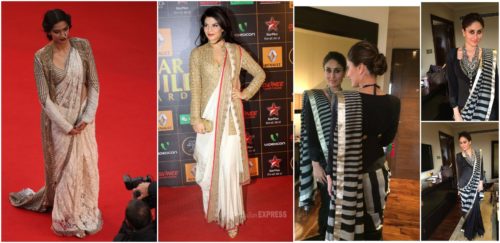
Styling tips: Traditional gold, kundan or polki jewelry complements heavy silk wedding sarees. A gajra in the hair bun, kolhapuri or embellished heels for footwear, and a silk or embroidered potli bag complete the ceremonial look. For a modern twist on wedding formality, layer a sheer embroidered jacket or cape over the saree — this adds a designer element while maintaining the grandeur expected at the main ceremony.
How Should You Style a Saree for Wedding Reception?
The reception is the final and most fashion-forward wedding function. It is typically an evening or late-night event with a cocktail party atmosphere. The dress code is glamorous, modern and less bound by tradition than the main wedding ceremony. This is the function where contemporary saree styling, bold drapes, statement blouses and fashion-forward accessories shine.
Best saree types: Party wear sarees in sequin, shimmer georgette, satin or metallic tissue fabrics. Net sarees with scattered embellishment, mirror work sarees and organza sarees with contemporary embroidery all work beautifully for receptions. Colors like black, wine, emerald, rose gold, champagne and electric blue create a sophisticated evening palette. Pre-draped ready-to-wear wedding sarees with designer blouses are increasingly popular at receptions because they offer a polished, structured look that lasts through hours of socialising and photography.
Best draping style: Modern drapes dominate the reception. The mermaid drape creates a gown-like silhouette. The belted drape with a metallic or jewelled belt adds structure and defines the waist. The scarf-wrap pallu style — where the pallu is wrapped around the neck like a scarf instead of draped over the shoulder — creates a striking, unconventional look perfect for the reception’s fashion-forward atmosphere. The butterfly pallu style, where thin pallu pleats are spread to resemble butterfly wings, adds dramatic volume for photographs.
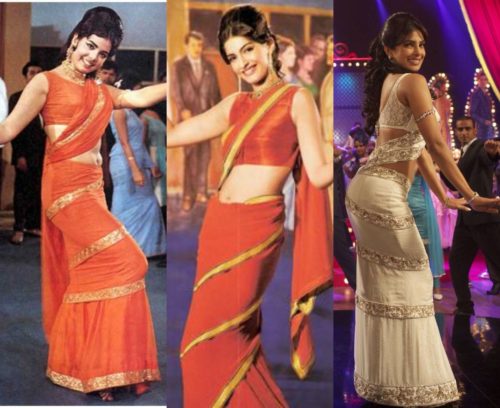
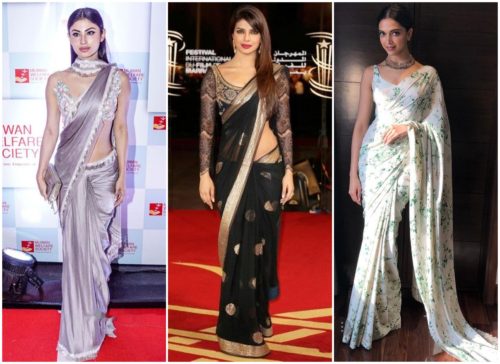
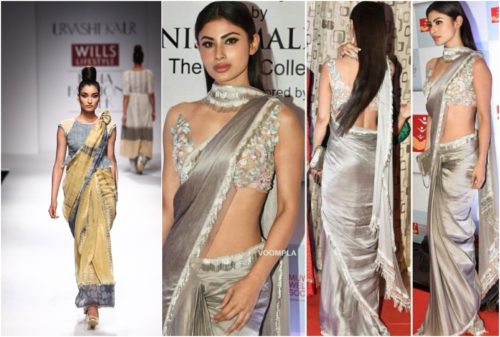
Styling tips: Statement earrings or a layered necklace (not both), strappy heels, a sleek clutch and smoky or metallic makeup complete the reception look. The retro Mumtaz drape with cascading borders works beautifully for reception-goers who want a Bollywood-glamour aesthetic. For more draping ideas for evening events, explore our fancy designer saree draping styles.
Can You Wear a Cotton Saree to a Wedding Function?
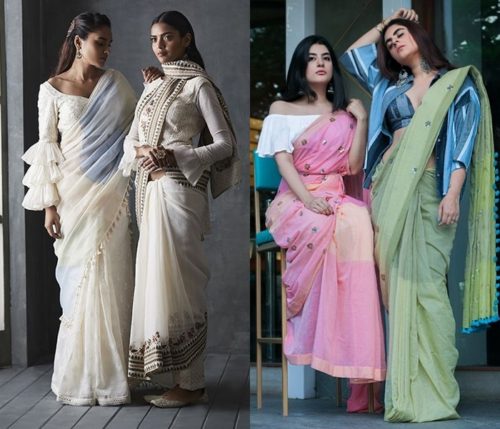
Yes — a cotton or linen saree is perfectly appropriate for daytime wedding functions like mehndi, haldi and daytime sangeet events. The key is pairing it with the right blouse to elevate the look. A cotton saree paired with a western-style shirt blouse or a structured high-neck blouse creates an Indo-western fusion aesthetic that looks intentional and fashion-forward rather than casual. Cotton and linen sarees are also the most comfortable choice for outdoor summer weddings where breathability matters more than shimmer. For more cotton saree styling ideas, read our draping and styling guide for cotton and linen sarees.
Quick Reference: Saree Style by Wedding Function
Engagement / Roka: Georgette or organza saree, Nivi drape, designer blouse, statement earrings.
Mehndi: Printed or bandhani saree, open pallu or belted drape, floral jewelry, juttis.
Haldi: Yellow georgette or cotton silk saree, simple Nivi or pre-draped, floral jewelry, waterproof makeup.
Sangeet: Sequin or shimmer saree, dhoti or pant-style drape, bold makeup, strappy heels.
Main Wedding: Heavy silk saree, traditional Nivi or regional drape, gold/kundan jewelry, gajra.
Reception: Party wear saree in sequin, satin or metallic, mermaid or belted drape, statement accessories.
Frequently Asked Questions
What color saree should wedding guests avoid?
As a wedding guest, avoid wearing red or deep maroon to the main ceremony — these colors are traditionally reserved for the bride in most Indian cultures. Also avoid white or all-black sarees at the main ceremony unless the wedding theme specifically calls for it. For sangeet, reception and other wedding functions, any color works.
Is it okay to wear a ready-to-wear saree to a wedding?
Absolutely. Ready-to-wear wedding sarees are designed specifically for multi-event wedding celebrations where changing outfits quickly between functions matters. They are available in silk, georgette, sequin and net fabrics with designer blouses — offering the same visual impact as manually draped sarees with zero draping effort.
How do I choose between a saree and a lehenga for wedding functions?
Sarees are typically more appropriate for the main wedding ceremony, reception and engagement due to their traditional formality. Lehengas work better for sangeet and mehndi where movement and a younger, festive aesthetic are preferred. For guests over 30 or those in family roles (mother, aunt, sister), a saree is generally the more respectful choice for the main ceremony. Both are acceptable for all other functions.
What jewelry goes best with a wedding saree?
For the main ceremony: traditional gold, kundan or polki sets with matching bangles and maang tikka. For sangeet and reception: statement earrings, a layered necklace or a single bold choker — choose one focal point. For mehndi and haldi: floral jewelry or minimal glass bangles. For detailed pairing guidance, read our complete guide to choosing jewelry for sarees.
Every wedding function demands a different saree — the fabric weight, color tone, draping style and accessory level should shift as the celebration moves from the intimate haldi to the grand reception. Planning your saree for each function in advance ensures you are never overdressed, underdressed or uncomfortable. Explore the full wedding saree collection to find the right saree for every function on your wedding calendar.